Prepared, not pressured.

Most buying mistakes happen before anyone writes an offer: criteria nobody questioned, a budget nobody tested, a lease that runs out at the wrong time, a property that forced a decision before the buyer understood the market. So we start early, and we start with you.
main

Before we look at anything

The first conversation is about your life, not a listing. What do you want to make easier? What matters now, and what could change in three years? How much responsibility, or how much of a project, are you comfortable taking on? Then the practical side: a lender and a real pre-approval, a budget that includes taxes, condo fees, insurance and a reserve rather than just the mortgage, your lease dates, and how offers actually work here, from deposits and contingencies to what an inspection can and cannot get you. None of this commits you to anything. It means that when the right place appears, you are deciding rather than scrambling. It is not a pressure situation. It is a strategic situation.

main

What you need, what you assumed, what you prefer

Everyone arrives with a list. Some of it is real: a second bedroom for a child on the way, a commute that has to work, a floor you can manage. Some of it is an assumption that has never been tested against an alternative, and some of it is a preference that may change once you have stood in a few places. We separate the three, usually by looking at a handful of real options early, before anything is urgent. I will show you possibilities you had not considered. I will not tell you I know your life better than you do.

main

Where, and why

Neighborhood is a set of daily choices: where you walk for coffee, how you get to work, whether you want a yard or a roof deck or neither, how much of a building you want to be responsible for, what you can carry each month. Back Bay, Beacon Hill and the South End, the Cambridge neighborhoods, Somerville's squares, Brookline, and the towns just beyond them each answer those questions differently, and I would rather show you how than tell you where you belong. The neighborhood pages are written the same way.

main

Finding the opportunities

Most of what you will buy is on the market, and the work is in seeing it clearly and moving on it in time. Some of it is coming soon, or off the market where a conversation with an owner or another agent is appropriate. I pay attention, I ask, and I keep you ready, so that a good option does not pass while you are still arranging financing. I do not promise a first look at everything.

main

Seeing the full picture

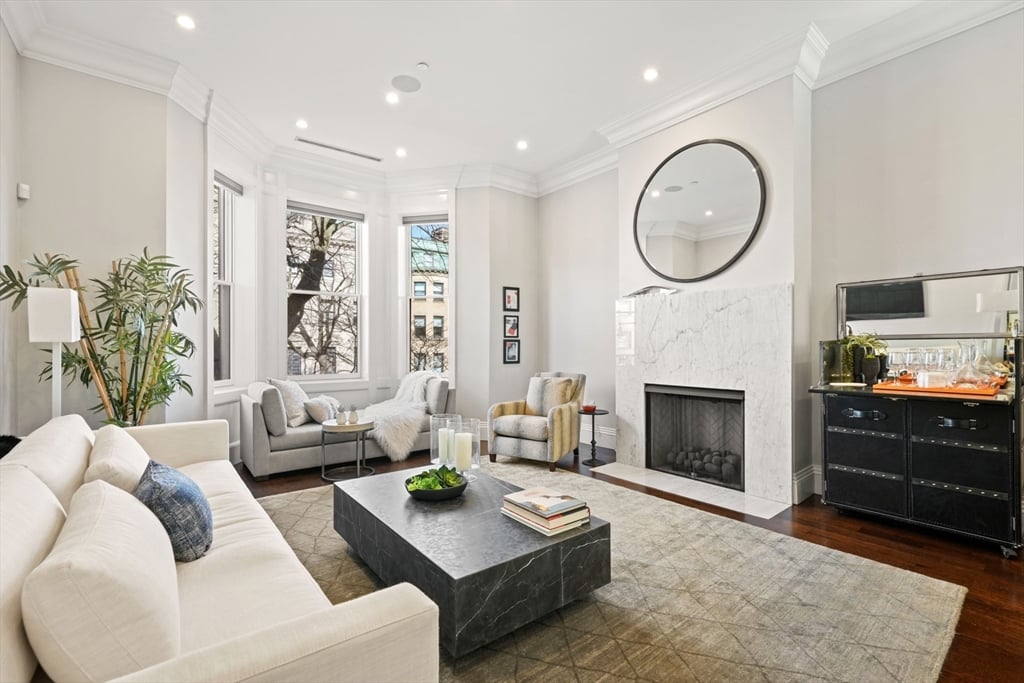
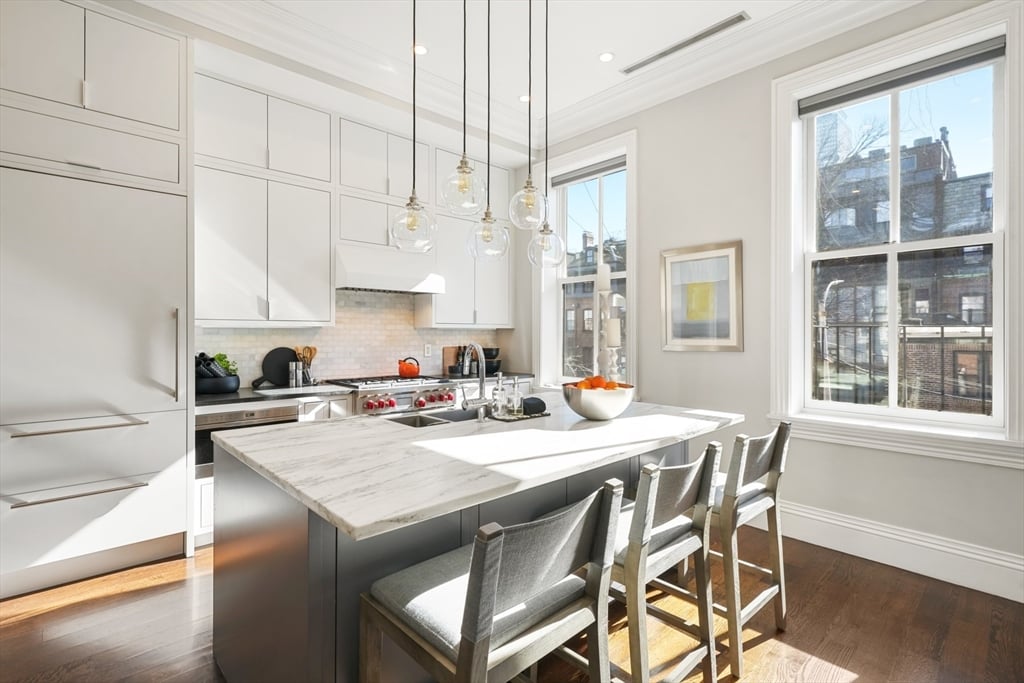
When we walk a property, you get the strengths, the compromises, the likely costs and the open questions, sorted into what we know, what we are estimating and what still needs confirming. Because I have owned, renovated and managed buildings of my own, I can talk about condition and cost in plain terms: what that kitchen renovation probably involved, what the roof and the windows are telling us, what an old house is likely to need in the first five years. In a condo, the building matters as much as the unit, so we read the documents: the reserve, the minutes, any assessment coming, who pays for the roof. And I will tell you when a question belongs to an inspector, an engineer or an attorney. There is room in all of this for loving a place. There is also room for the number.
main

The offer and the diligence

An offer is a strategy, not just a price: terms, timing, deposits, contingencies, and which protections you keep and which you can afford to trade. We decide together based on the property, the competition and what you can live with, and I will give you my recommendation and the reasons for it. After acceptance the work continues through inspection, the condo documents, financing, the appraisal and your attorney's review, and I stay on it so that nothing slips between the people involved.

main

Negotiating

I negotiate steadily and I prepare thoroughly, which is where most of the strength at the table comes from. I will not guarantee the lowest price, because nobody can. I will make sure you understand the position you are in, the options you have, and what each one costs, and I will represent you with resolve when it counts.

main

After the closing

Ask me anything for as long as you own the place. A renovation budget, an introduction to a plumber or someone who restores old windows, a second opinion on a contractor's quote, which project to do first, and, when the time comes, whether it is the moment to sell or to buy the next one.

Three situations

Situation 01

Your first home.

You are renting in Cambridge, Back Bay, Beacon Hill or the South End, and the advice from family, friends and your phone does not agree. We sort the evidence from the noise, go through the process step by step, and get you financially and practically ready before you fall for something. You will not be hurried and you will not be talked down to.

Situation 02

More space without leaving the city.

Another bedroom, an office, outdoor space, some flexibility, without giving up walking to things. We explore early, compare real tradeoffs across neighborhoods and building types, and learn before the move becomes urgent. More space does not have to mean one predetermined town.

Situation 03

A home that would be hard to replace.

Some combinations of location, proportions, light, layout, architecture, outdoor space, condition and parking are difficult to substitute, and that changes how we approach the search and the offer. Price per square foot is one input, not the analysis. Rarity does not make the price irrelevant either, and I will tell you when I think it is being asked to.

main

A Step-by-Step Home Buyer's Guide

How buying works here, from pre-approval and deposits to inspections, condo documents and the closing. It is the conversation we would have anyway, written down so you can read it at your own pace.

Thinking about buying,
or just thinking?

The first conversation is about you, not a listing.

Your side. Always.